
Desert sensePhones near the line can jump between zones, and signal fades between towns. Note gate and closing times in writing, with which clock they use, before you lose coverage.
Most of Texas keeps Central Time. A wedge in the far west does not. Culberson County, with Van Horn at its centre, stays on Central Time with the rest of the state, while Hudspeth County and El Paso County to the west keep Mountain Time, matching New Mexico and the border cities. The line between those counties is also the line between two clocks.
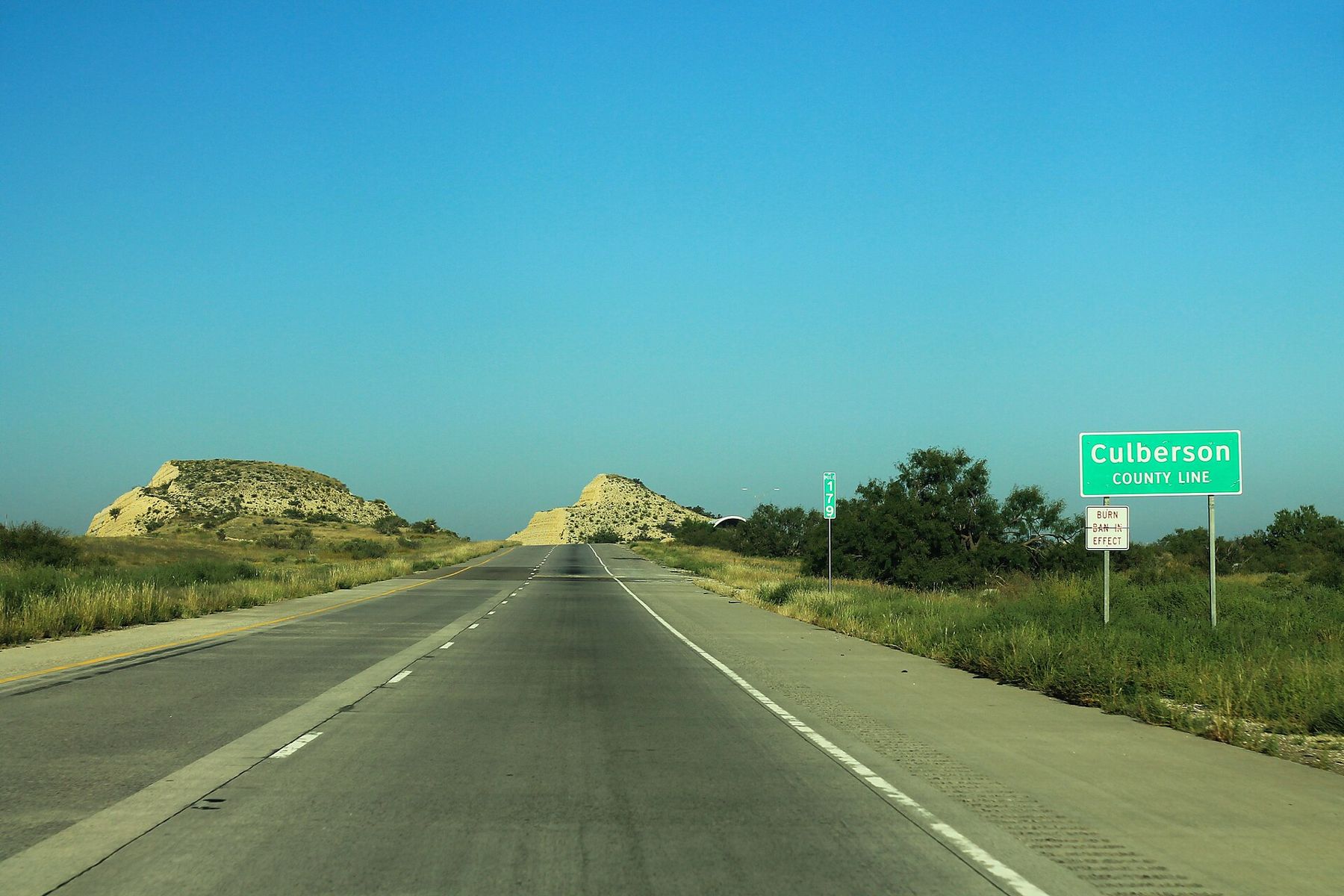
For anyone driving I-10, the result is simple. Head west out of Van Horn and you gain an hour at the county line. Head east toward Van Horn and you lose one. Nothing marks the moment except, sometimes, a road sign and the quiet jump of the clock on your phone.
Where the line falls
I-10 leaves Van Horn heading west and north-west across open basin, with the Sierra Diablo and the Beach Mountains off to the right and lower ranges to the south. The Culberson and Hudspeth county line crosses the highway west of town, in country with few buildings and long views. Past it, the road continues to Sierra Blanca, the Hudspeth County seat, and then on toward El Paso.
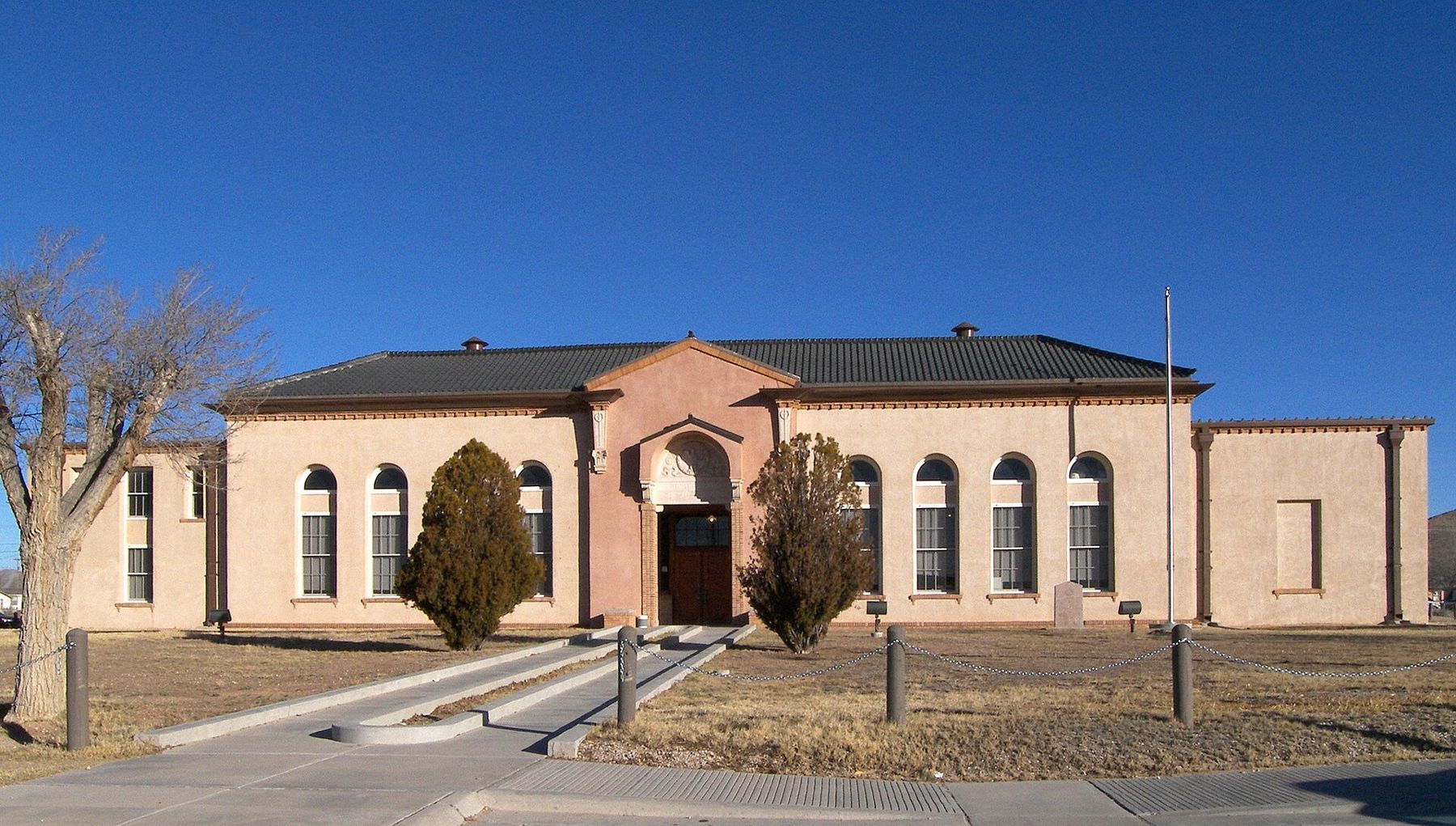
Sierra Blanca's courthouse, a stuccoed building with arched windows, keeps Mountain Time; Van Horn's keeps Central. Two county seats about half an hour apart by road run an hour apart by the clock. People who live here are used to it and often talk in both, saying a meeting is at ten "our time" or asking which time a store hours sign means.
East of Van Horn there is no such change. I-10 runs east through Culberson, Reeves and Pecos counties toward Fort Stockton and beyond, all on Central Time, as does US 90 south to Marfa and TX 54 north toward the Guadalupes as far as the New Mexico line.
Why the clock changes here
Time zones in the United States follow county lines where they can, and the federal government sets the boundaries, generally with a county's own preferences in mind. El Paso has long looked west and north to New Mexico and the cities on the border for its business and daily life, and keeping Mountain Time ties it to those neighbours. Hudspeth County, between El Paso and Van Horn, keeps the same clock as El Paso.
Culberson County went the other way. Van Horn has strong links east along the railroad and the interstate to the rest of Texas, and keeping Central Time puts it in step with the state government, with most of the state's broadcasts and schedules and with the towns along I-10 to the east. The result is an unusual position: Van Horn is one of the westernmost towns in the country on Central Time, and in winter the sun rises late by the clock.
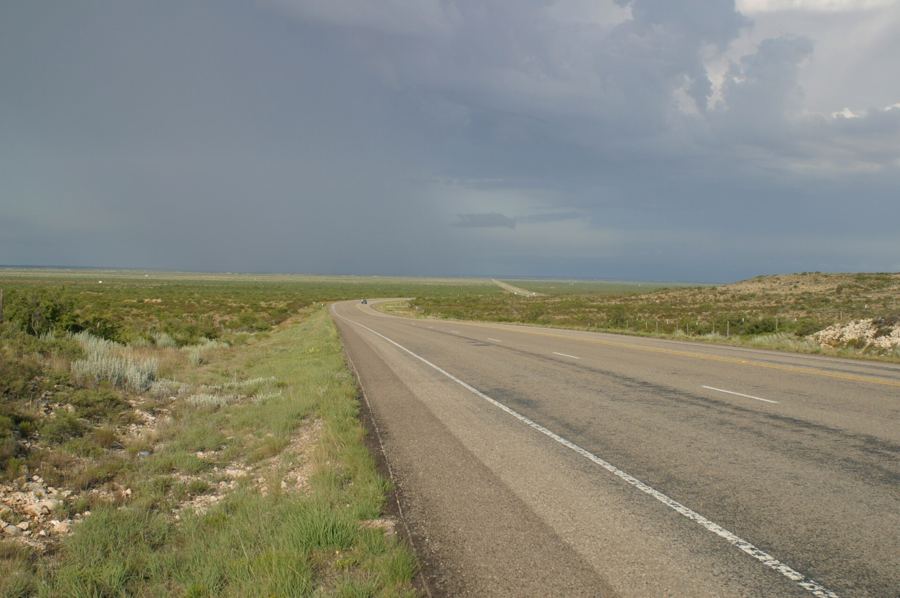 On the road · worth the detourDriving the desert around Van Horn
Planning a day across two clocks
The hour matters more than it sounds, especially in a country of gates, closing times and long drives.
- Check which clock a time refers to. Parks, museums and offices in El Paso and Hudspeth County post Mountain Time. In Van Horn, Central.
- Remember the national park. Guadalupe Mountains National Park sits in Culberson County, but its posted hours have long been given in Mountain Time. The trailheads for Guadalupe Peak and McKittrick Canyon are about an hour north of Van Horn.
- Going west is the easy direction. Leave Van Horn at eight in the morning and you can reach El Paso around nine by the local clock, after about two hours on the road.
- Coming back costs you an hour. A sunset in El Paso turns into a late arrival in Van Horn.
Day trips to Hueco Tanks or the old missions along the Mission Trail near El Paso need the most care, since tours, gate times and permits there run on Mountain Time while your start and finish are on Central.
Phones and signal near the line
Phones usually update themselves from the network, and that is where the confusion starts. Close to the county line, and in parts of the Guadalupes near New Mexico, a phone can pick up a tower in the other zone and jump an hour, then jump back. Alarms can go off early or late, and calendar times can drift without your noticing.
If you depend on a precise time, such as a guided tour or a gate that closes at a fixed hour, it helps to set the time zone by hand for that day, or simply to note the time in writing along with which clock it means. Long stretches of I-10 and the side roads have weak or no signal anyway, so your phone may not have the chance to correct itself until the next town.
The road east and the long view
Driving east, the change goes the other way. Somewhere in the open country west of Van Horn, the hour you gained in the morning is taken back.
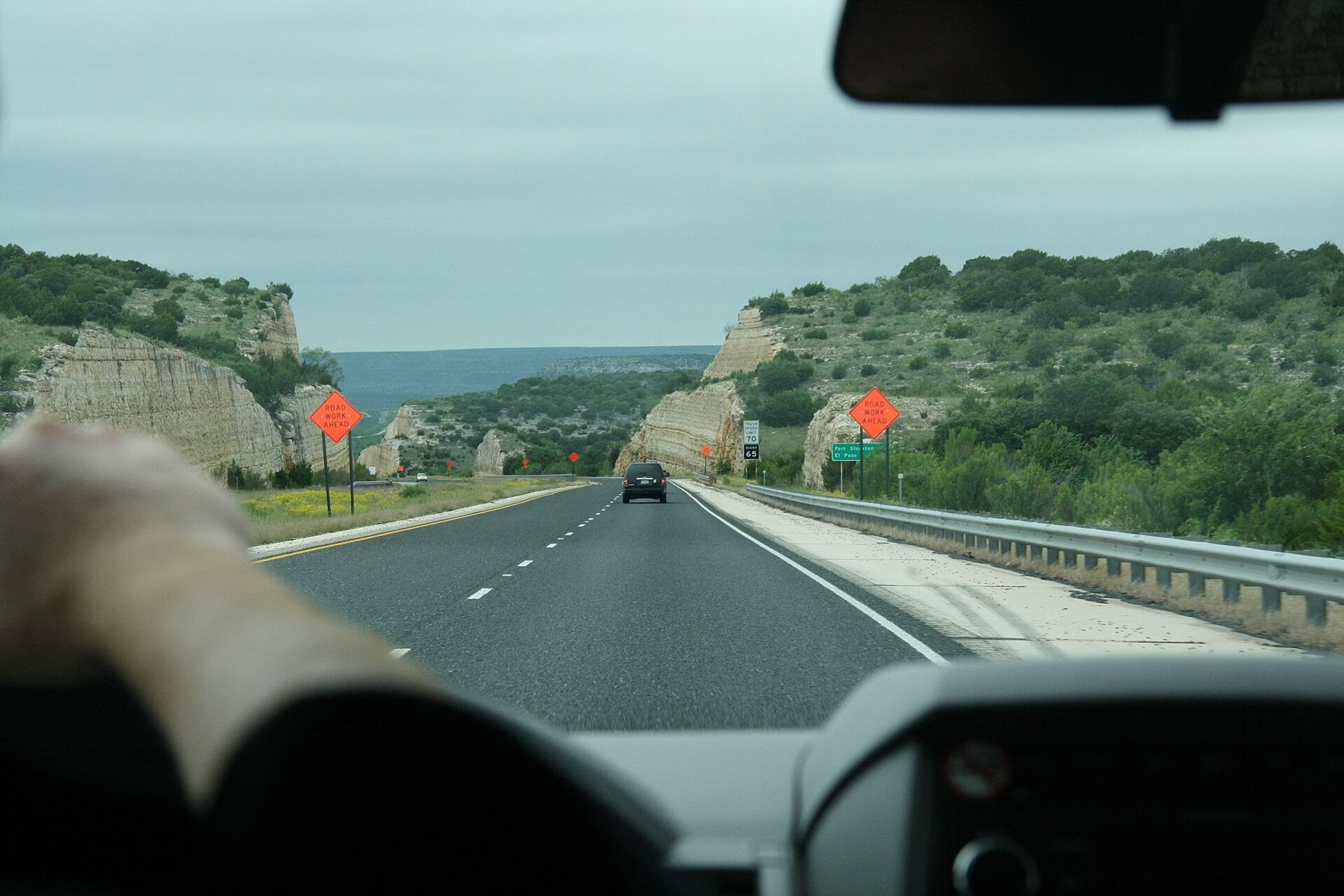
Beyond Van Horn, the interstate keeps running east on Central Time for hundreds of miles, through road cuts in limestone hills between Fort Stockton and Ozona and on toward the Hill Country. The time does not change again until you leave Texas.
For travellers, the line west of Van Horn is a reminder of how big this part of the state is. A single county line separates two clocks, two broadcast schedules and two ways of reckoning the day, and the people of Van Horn and Sierra Blanca live with both. You only need to remember it twice: once when you cross going west, and once when you come back.
Back to the in town road · every distance from Van Horn · the crossroads