
Desert senseThe valley is hot by midday from May to September. Carry water, plan stops in the morning, and remember the clock: El Paso keeps Mountain Time, an hour behind Van Horn.
West of Van Horn, I-10 crosses into Hudspeth County, the clocks drop back an hour, and after roughly two hours of desert driving the interstate meets the Rio Grande valley. Before you reach the city of El Paso, the valley floor turns green with cotton fields, pecan orchards and irrigation ditches. Along an old road through this farmland stand three historic churches: Ysleta Mission, Socorro Mission and the San Elizario Presidio Chapel. Together they make up what El Paso calls the Mission Trail.
The trail is short, roughly a dozen miles from end to end, and you can drive it in a morning. Its history, though, runs back more than three centuries, to the upheavals that brought Spanish settlers and Pueblo people south down the river. These churches are not museums. They are active parishes, and visiting them well means remembering that people come here to worship.
How the missions came to be here
In 1680 the Pueblo peoples of northern New Mexico rose against Spanish rule in what is known as the Pueblo Revolt, driving the colonists out of the region. The Spanish retreated south along the Rio Grande to the El Paso area, then part of New Spain. With them came some Pueblo people, including Tigua people from Isleta Pueblo, some as captives and some who had stayed with the Spanish side. Between 1680 and 1682 they founded new communities in the valley, far from their homeland.
One of those communities was Ysleta del Sur, the Isleta of the south. Another, Socorro, was settled by Piro and other displaced people in the same years. San Elizario came later, as a Spanish military post, or presidio, moved to this site in the late eighteenth century to guard the valley.
The river itself has shaped the story. The Rio Grande wandered across its floodplain, and nineteenth-century floods shifted its channel, damaging the adobe churches and leaving the towns on what became the Texas side of the river. Each of the three churches you see today was rebuilt, some more than once. Their origins are old, but much of the fabric is newer.
Ysleta Mission
Ysleta Mission stands at the heart of Ysleta del Sur Pueblo, the home of the Tigua people, who still live here as a federally recognized tribe. The community traces its founding to 1680–82, and the mission is often described as one of the oldest continuously active parishes in Texas. The building you see is not the original. Floods destroyed earlier churches, and a fire in the early twentieth century badly damaged the one that replaced them. The present church is mostly a nineteenth- and twentieth-century building, restored and cared for by its parish.
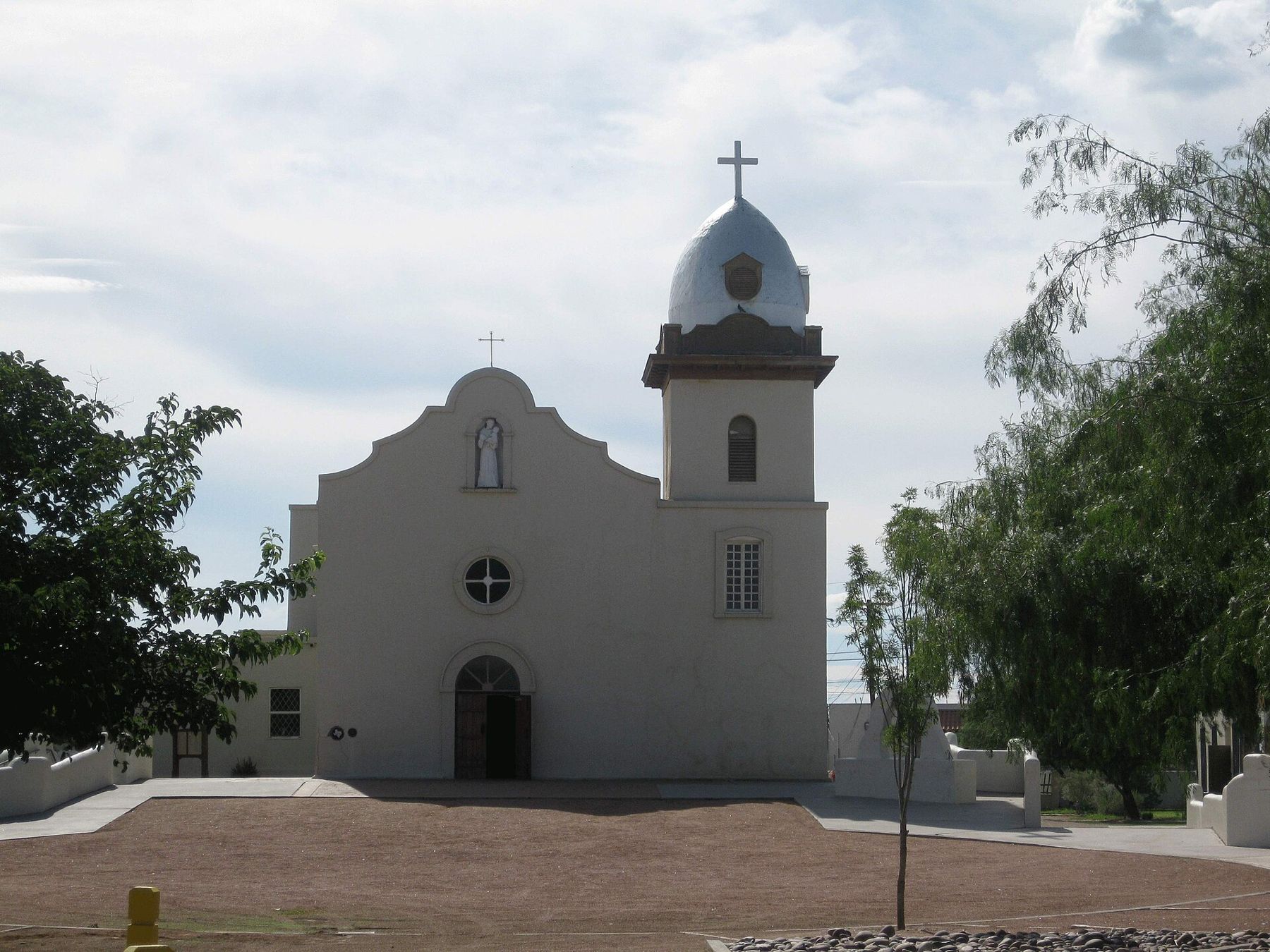
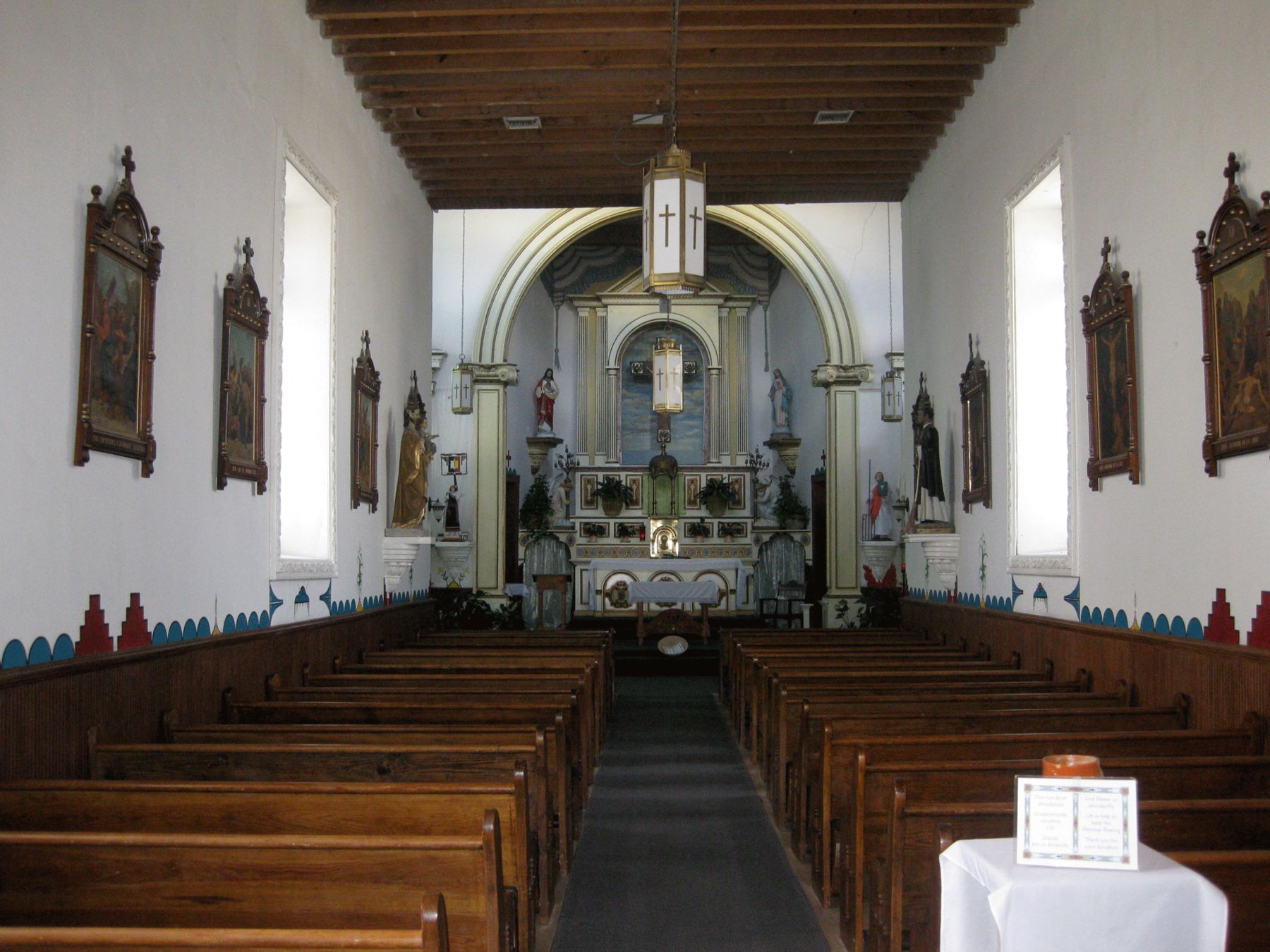
The exterior is white, with a curved gable holding a statue in a niche and a bell tower topped by a silver dome. Inside, the nave is long and plain, with heavy wooden ceiling beams, painted stations of the cross and a bright altar at the far end. Low on the walls, a band of painted designs in red and blue runs the length of the room.
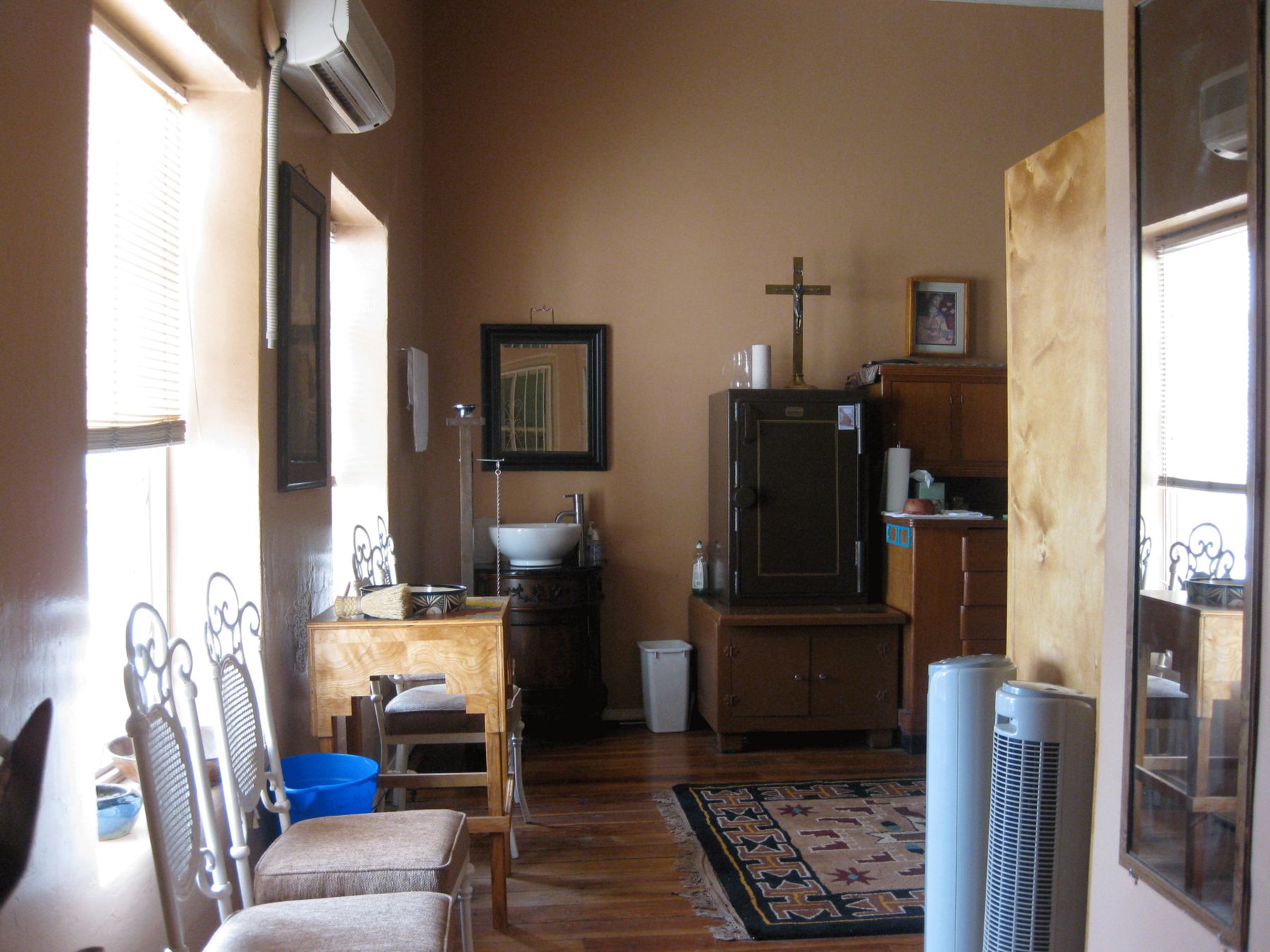
Off the main church, a sacristy holds the everyday things of a working parish: a basin for washing, cupboards, a crucifix and a few chairs by the window. It is a reminder that this is a living place rather than a set piece.
Their origins are old, but much of the fabric is newer.
The pueblo is a community, not an attraction. Visit the church respectfully, stay on public paths, and do not photograph people or ceremonies without permission. On feast days and during services, the church belongs to its congregation first.
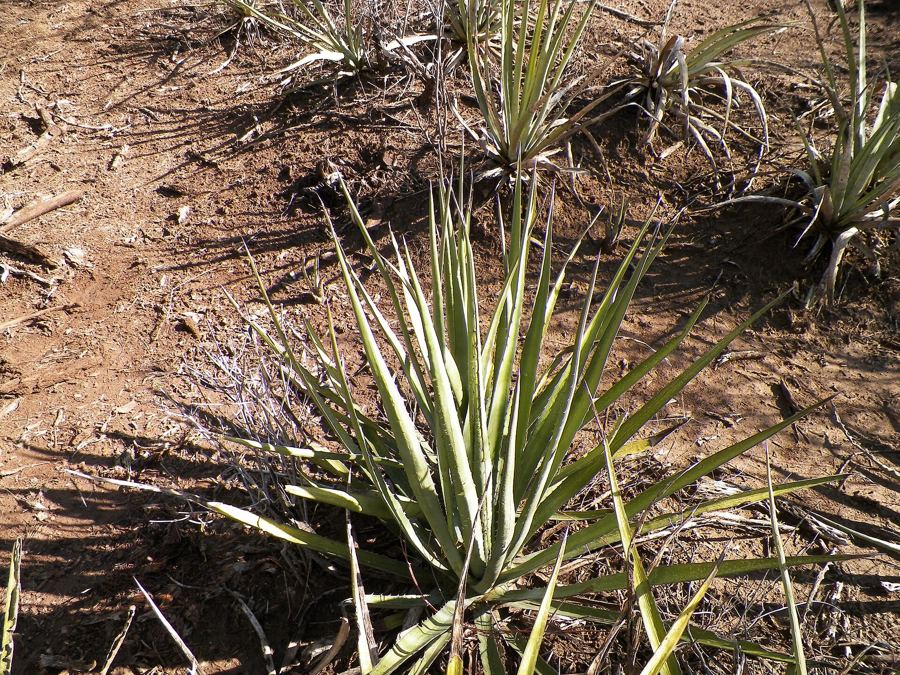 On the road · worth the detourLife in the Chihuahuan Desert
Socorro Mission and San Elizario
A few miles south-east along Socorro Road, Socorro Mission rises from the fields in thick adobe walls. Like Ysleta, it traces its community back to the early 1680s, and like Ysleta, its earlier churches fell to floods. The present building dates mostly from the nineteenth century. Its interior is known for its carved and painted ceiling beams, some of which are thought to have come from an older church on the site. Its simple, earth-coloured form looks the way many people imagine a desert mission should.
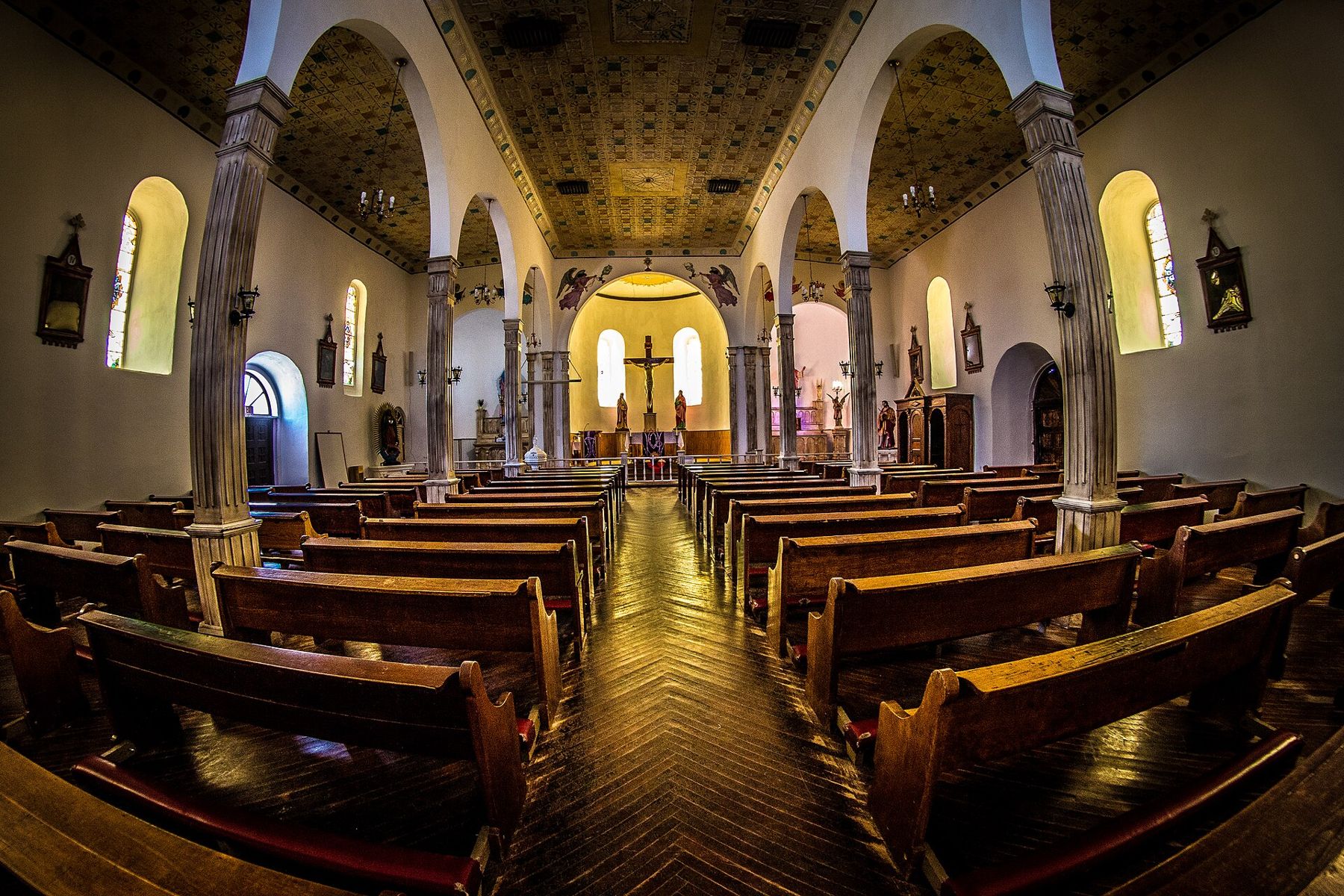
Further along the road is San Elizario, a small town grown around the old presidio. The Presidio Chapel faces a plaza, and the present building dates from the late nineteenth century, on a site used for worship since the Spanish garrison was here. Inside, slim columns and arches divide the space beneath a decorated ceiling.
San Elizario has more history than its quiet streets suggest. It was once the county seat, and in 1877 it was the scene of the San Elizario Salt War, a violent dispute over who had the right to take salt from the lakes west of the Guadalupe Mountains. That story connects this valley to the salt flats you can see from the road north of Van Horn. Several old buildings around the plaza carry markers explaining the town's past.
A day at El Paso
These churches are working places of worship, and their doors are open as a courtesy. A few habits make the visit go well for everyone:
- Opening hours vary, and churches may close to visitors during services, weddings and funerals.
- Dress modestly. Cover shoulders and remove hats inside.
- Keep quiet. Someone may be praying even when the church looks empty.
- Ask about photographs. Some churches welcome them; others prefer you put the camera away. Never photograph worshippers.
- Leave a donation. These buildings are old, and their upkeep falls on small parishes.
Drive the trail in the morning, when the valley is cooler and the light is soft on the white and adobe walls. Start at Ysleta, follow Socorro Road south-east to Socorro, and finish in San Elizario, where the plaza is a pleasant place to sit in the shade.
From Van Horn and back
From Van Horn, follow I-10 west for roughly two hours, then leave the interstate on the east side of El Paso and work your way to Socorro Road. On the way you cross the line where the clocks change, so you gain an hour heading west and lose it coming back. Border Patrol checkpoints operate on highways in the region, including I-10 near Sierra Blanca; stop when directed.
The Mission Trail pairs well with Hueco Tanks, on the other side of the city, though fitting both into one day from Van Horn makes for a long drive. If you choose the missions alone, take your time. The churches have stood through floods, fire and centuries of change, and they reward a slow, attentive visit.
Back to the west road · every distance from Van Horn · the crossroads