Desert senseMany plants here have spines or sharp tips; wear boots and long trousers. Give snakes and javelina room, watch for animals on the road at dusk, and carry plenty of water.
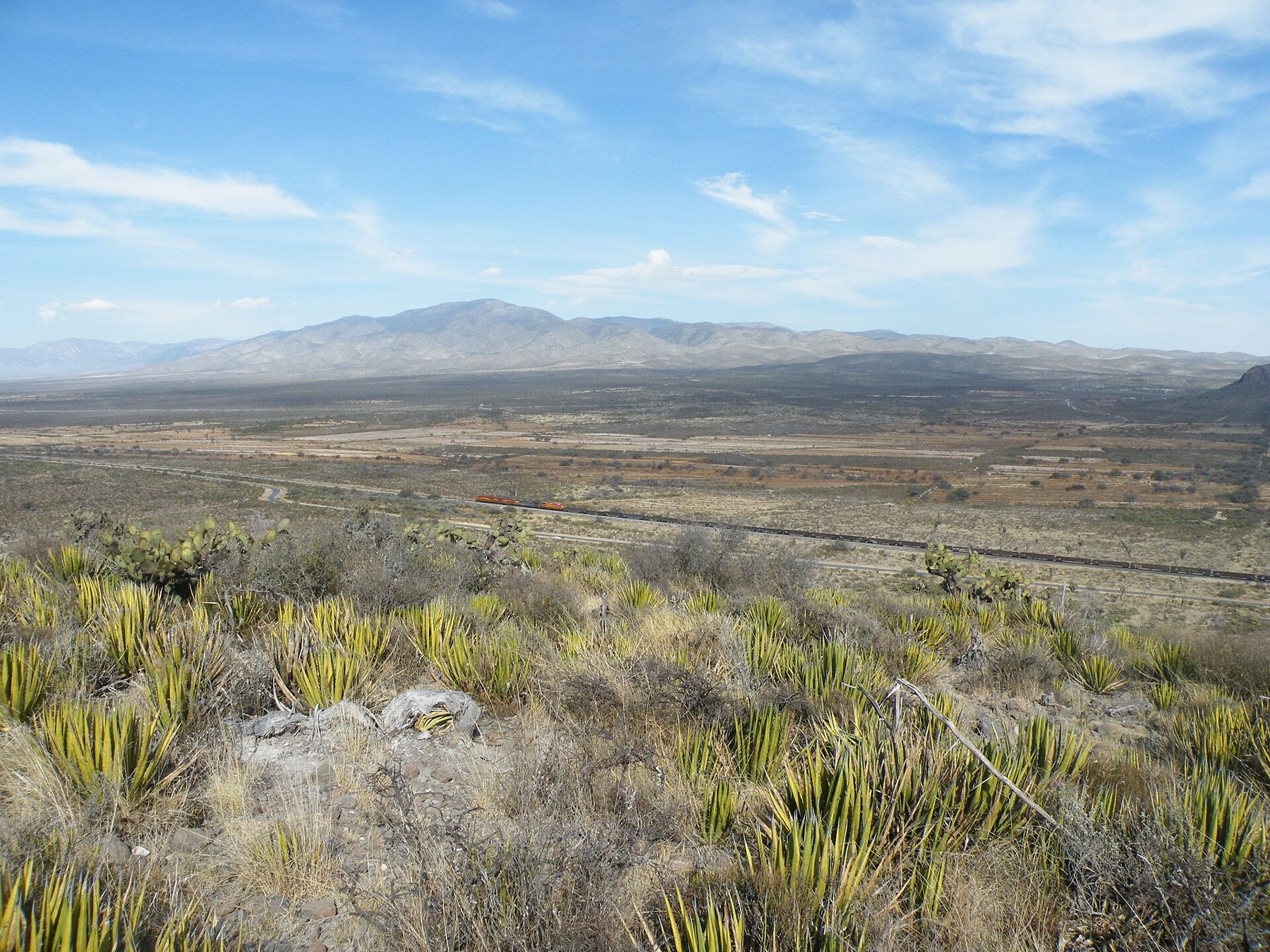
The Chihuahuan Desert covers a large part of northern Mexico and reaches north into far West Texas and southern New Mexico. It is one of the largest deserts in North America, and much of it lies high, so its summers are hot but its winters can be cold. Van Horn sits well inside it. From the interstate, the land around town can look like a flat sheet of gray-green scrub. Stop, walk a little way from the car, and it becomes a place of sharp leaves, small flowers, tracks in the dust and birds moving between the bushes.
Most of the plants and animals you will see here are shared with the wider desert to the south. A few of them are so typical that you can use them to tell where you are.
The plant that tells you where you are
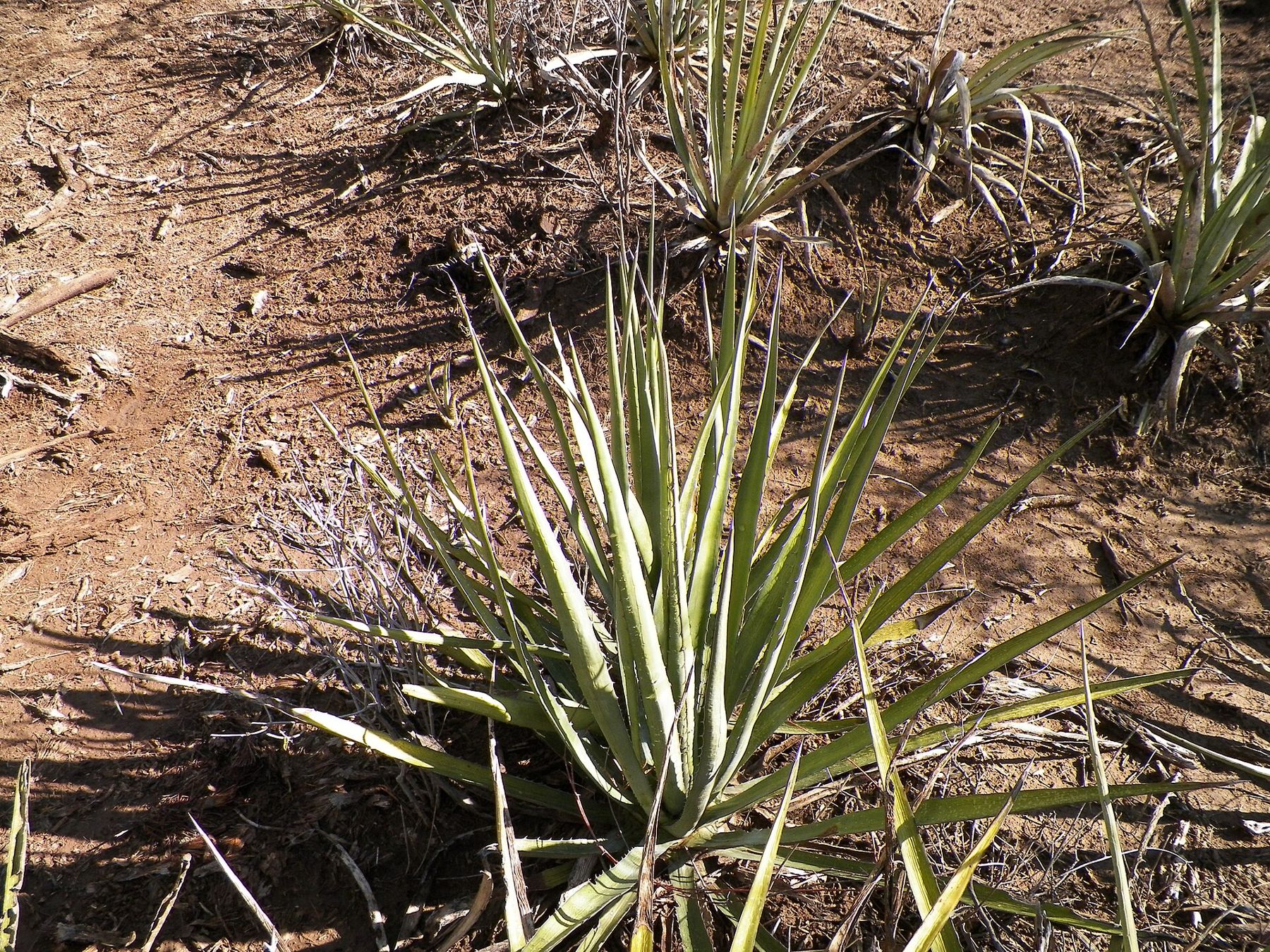
Lechuguilla is a small agave that grows in low, spiky clumps, its stiff green leaves curving upward and ending in hard points. It spreads by sending out new rosettes, so a single slope can be covered with it. Lechuguilla is often called an indicator plant of the Chihuahuan Desert, because it grows across much of this desert and hardly anywhere else. When you start seeing it on rocky hillsides, you know you are in Chihuahuan country.
Treat it with respect. The leaf tips are sharp enough to puncture a boot or injure a horse's leg, and early travellers had good reason to dislike it. After many years a lechuguilla plant sends up a single tall flower stalk, then dies, leaving its offshoots to carry on.
Creosote, the great survivor
The most common shrub on the flats around Van Horn is creosote bush, a waist-high plant with small, shiny, dark green leaves. Its spacing often looks almost planted, because the roots compete for water and keep their neighbours at a distance. Creosote is extraordinarily tough. It survives long droughts by slowing down, and some old clumps have spread outward from a single root system for a very long time.
The plant is best known for its smell. After rain, the leaves release a strong, resinous scent that hangs in the air over the whole desert. People who grew up here often say that this smell is the smell of rain itself. If you are out during a summer storm, step outside afterwards and breathe in. Our story on the seasons in far West Texas explains when those storms tend to come.
Sotol, yucca and ocotillo
On the rocky slopes above the flats, other plants take over. Sotol forms large, rounded clumps of long, narrow leaves edged with small curved teeth, and in summer it sends up a tall, slender flower stalk. The plant has long been used in the region, for food, fibre and a distilled spirit that carries its name.
Yuccas come in several kinds here, from low clumps with stiff dagger-like leaves to taller forms with trunks. In spring many of them carry heavy clusters of creamy white flowers. Ocotillo looks like a bundle of thorny, whip-like canes rising from the ground. For much of the year the canes look dead, but after rain they cover themselves in small green leaves within days, then drop them again as the ground dries. In spring the tips of the canes carry bright red flowers that draw hummingbirds.
 North · worth the detourGuadalupe Peak, the top of Texas
Animals you may see
Most desert animals avoid the heat of the day, so early morning and evening are the best times to look. Drive slowly on back roads and scan the open grassland and the edges of the scrub.
- Pronghorn. Tan and white animals of the open grassland, often seen in small groups, especially on the higher plains toward the Davis Mountains. They are the fastest land animals in North America, and they tend to run long before you get close.
- Mule deer. Named for their large ears, they browse in the foothills and canyons and often cross roads at dusk.
- Javelina. Also called collared peccaries, these look a little like small wild pigs, though they are not true pigs. They travel in groups, have poor eyesight and a strong smell, and can be defensive if cornered. Watch them from a distance and never feed them.
- Roadrunners. Long-tailed ground birds that sprint across roads and through the scrub, hunting lizards, insects and even small snakes.
- Rattlesnakes. Several kinds live here. They are not aggressive and usually try to avoid people, but they will strike if stepped on or handled.
Keeping your distance
Desert wildlife is wild, and the best way to enjoy it is from a respectful distance. Use binoculars rather than walking closer, and do not follow animals for a better view. Never feed wildlife; it harms the animals and can make them dangerous.
With rattlesnakes in particular, the rule is simple. Watch where you put your hands and feet, especially around rocks, ledges and thick brush, and wear sturdy boots and long trousers. If you hear a rattle or see a snake, stop, locate it, and back away slowly. Give it plenty of room and let it move on. Most bites happen when people try to handle, move or kill a snake.
Remember too that much of the land along the roads is private ranch land. Stay on public roads, in parks and on public land, and do not cross fences or open gates. In parks, stay on the trails, which protect both the fragile desert soil and you.
Where to point your eyes
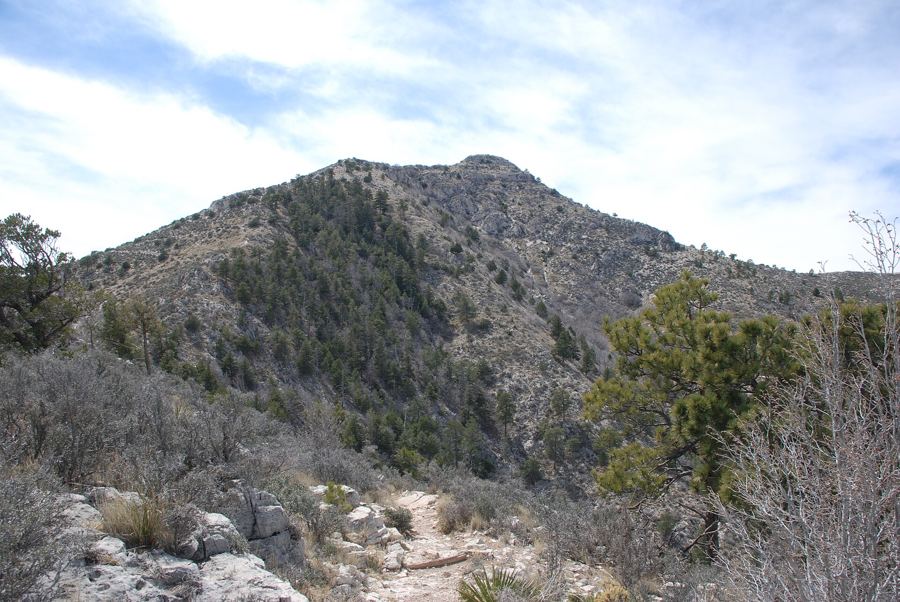
You do not need to go far. The country right outside Van Horn holds creosote, lechuguilla and roadrunners. For a broader look, the trails of Guadalupe Mountains National Park climb from desert scrub into pine forest, and the higher grasslands around the Davis Mountains scenic loop are good places to watch for pronghorn and mule deer. The rocky ranges near town, described in our story on the Sierra Diablo, show how plants change as the ground rises. Wherever you go, carry water, keep an eye on the weather, and give the desert time to show itself.
Back to the on the road road · every distance from Van Horn · the crossroads