
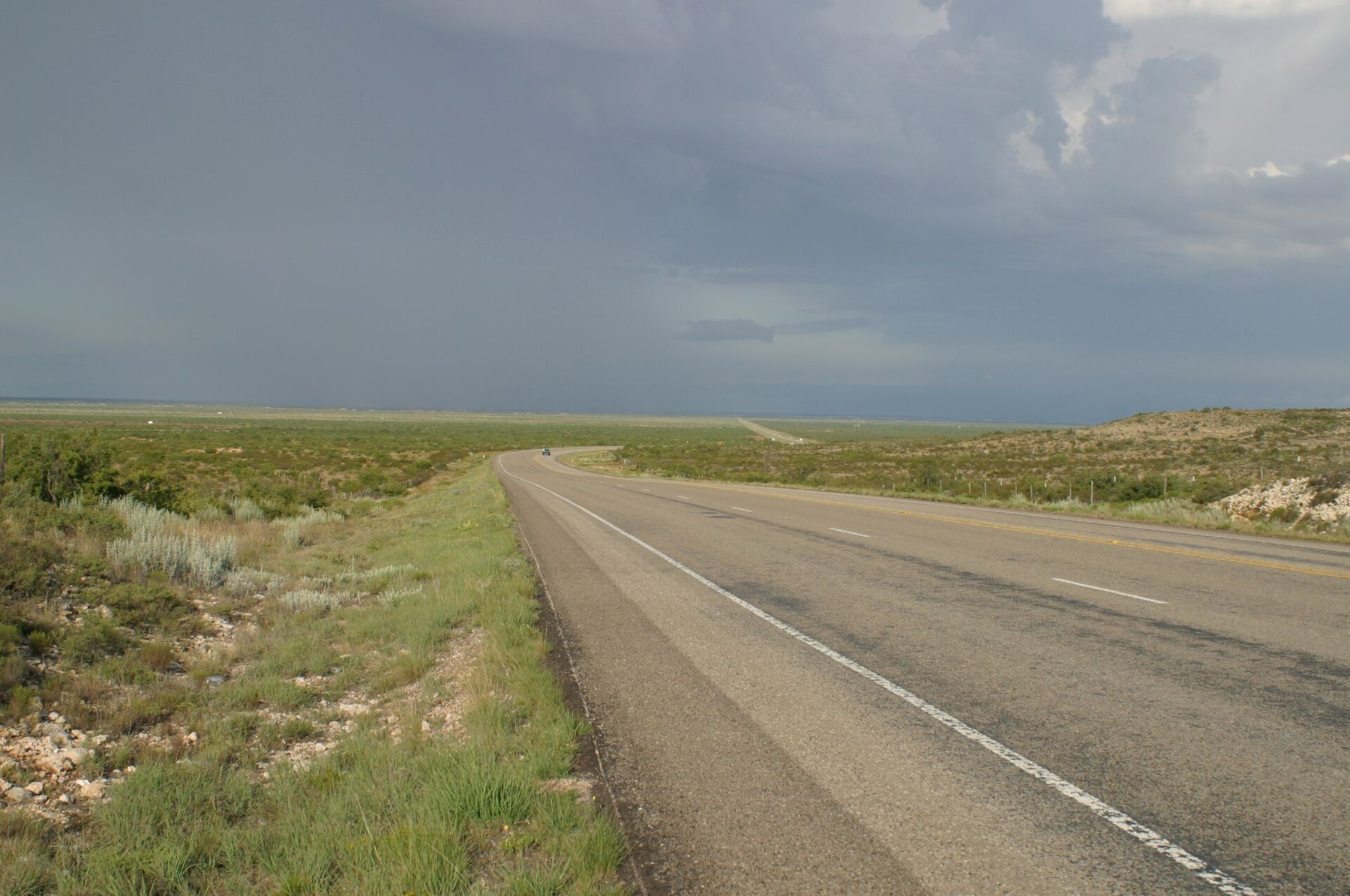
Desert senseFill the tank whenever you can, carry a gallon of water per person, slow down after dark for animals, and expect long stretches without phone signal on the back roads.
Driving in far West Texas is one of the real pleasures of the region. The roads are long and mostly quiet, the views run for fifty miles in clear air, and a two-hour drive can carry you from creosote flats to pine-covered mountains. It is also country that punishes small mistakes. Towns are far apart, services within them can be limited, and the weather can change in minutes. None of this is a reason to stay home. It is a reason to drive with a little more thought than you would on a busy interstate back east.
Fuel and distance
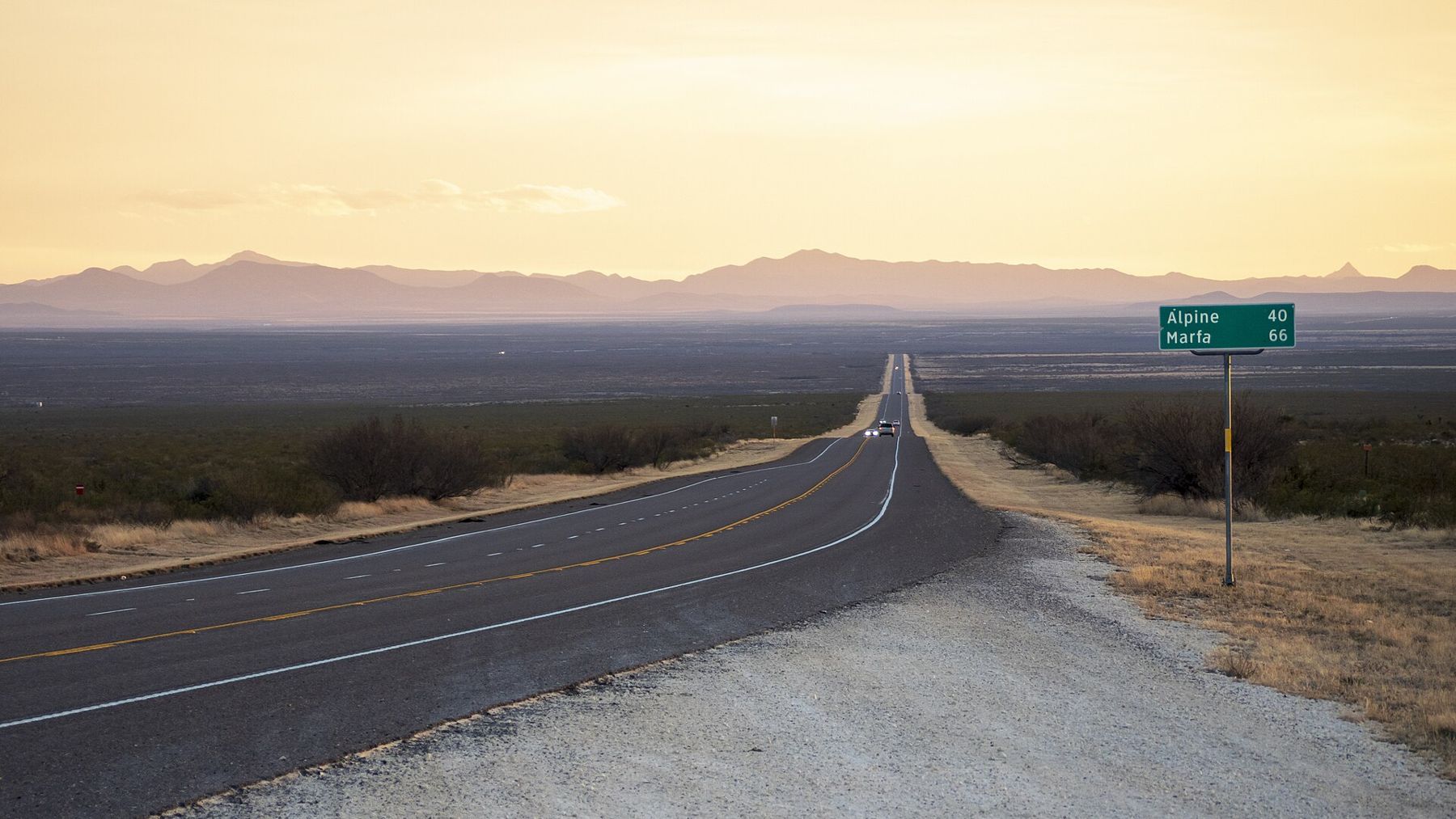
The first rule is simple: fill up whenever you have the chance, even if the gauge reads half full. From Van Horn, the gaps between reliable fuel stops can be long in every direction. North on TX 54 toward the Guadalupe Mountains there is little or nothing until you reach the US 62/180 corridor, and services there are thin. South and east on US 90 toward Marfa the road passes small settlements with few or no services. Back roads through ranch country can run for an hour or more without a single pump.
Opening hours in small towns can also be short, and a station that is open on a weekday afternoon may be closed late at night or on a holiday. Plan your fuel the way earlier travellers planned water: from one sure source to the next, with a margin left over. If you are heading for a remote spot such as the white gypsum dunes of the Salt Basin, the margin needs to be generous.
Heat, water and the car itself
Summer heat is the most common danger. A car that breaks down on a back road in July can become dangerous within hours. Carry at least a gallon of water per person, more in summer, and keep it in the car rather than the trunk if you can. Bring food that does not spoil, a hat, and something to make shade.
Check the basics before a long trip: tire pressure, the spare and the jack, coolant and oil. Rough shoulders and long, hot stretches are hard on tires. If you break down, stay with the vehicle. A car is much easier for others to spot than a person walking, and it gives you shade. Our story on the seasons in far West Texas covers what each part of the year brings.
Wind and blowing dust
Spring is the windy season, though strong wind can blow at any time of year. Gusts can push a car or a high-sided vehicle across a lane, especially on open stretches and where the road crosses a gap between ranges. Wind also lifts dust off dry ground, and blowing dust can cut visibility suddenly, sometimes to almost nothing, in a matter of seconds.
If you drive into a dust storm, slow down. If visibility drops too far to drive safely, pull off the road as far as you can, turn off your lights so following drivers do not mistake you for a moving car to follow, keep your foot off the brake, and wait until it passes. Then carry on carefully, because dust storms can come in waves.
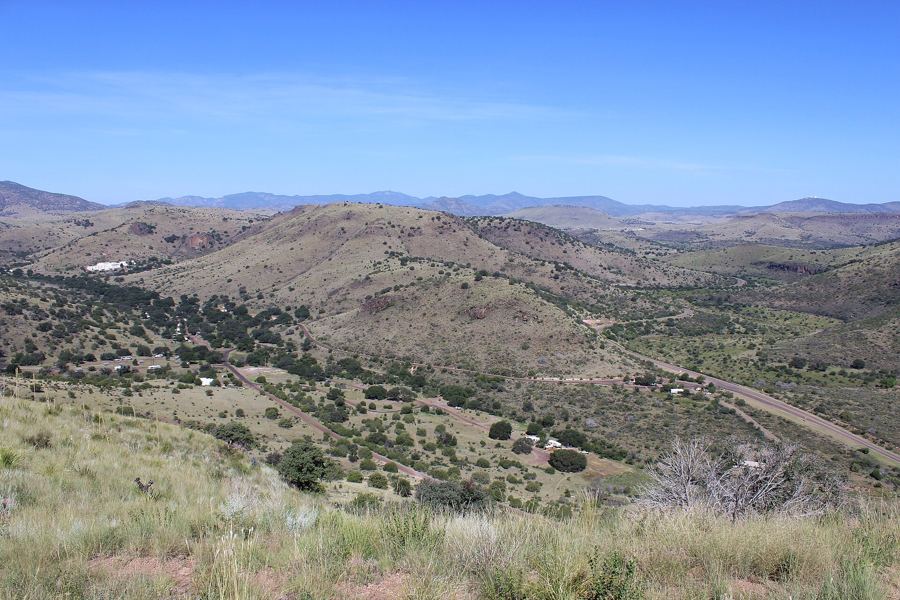 South · worth the detourThe high loop through the Davis Mountains
Animals and night driving
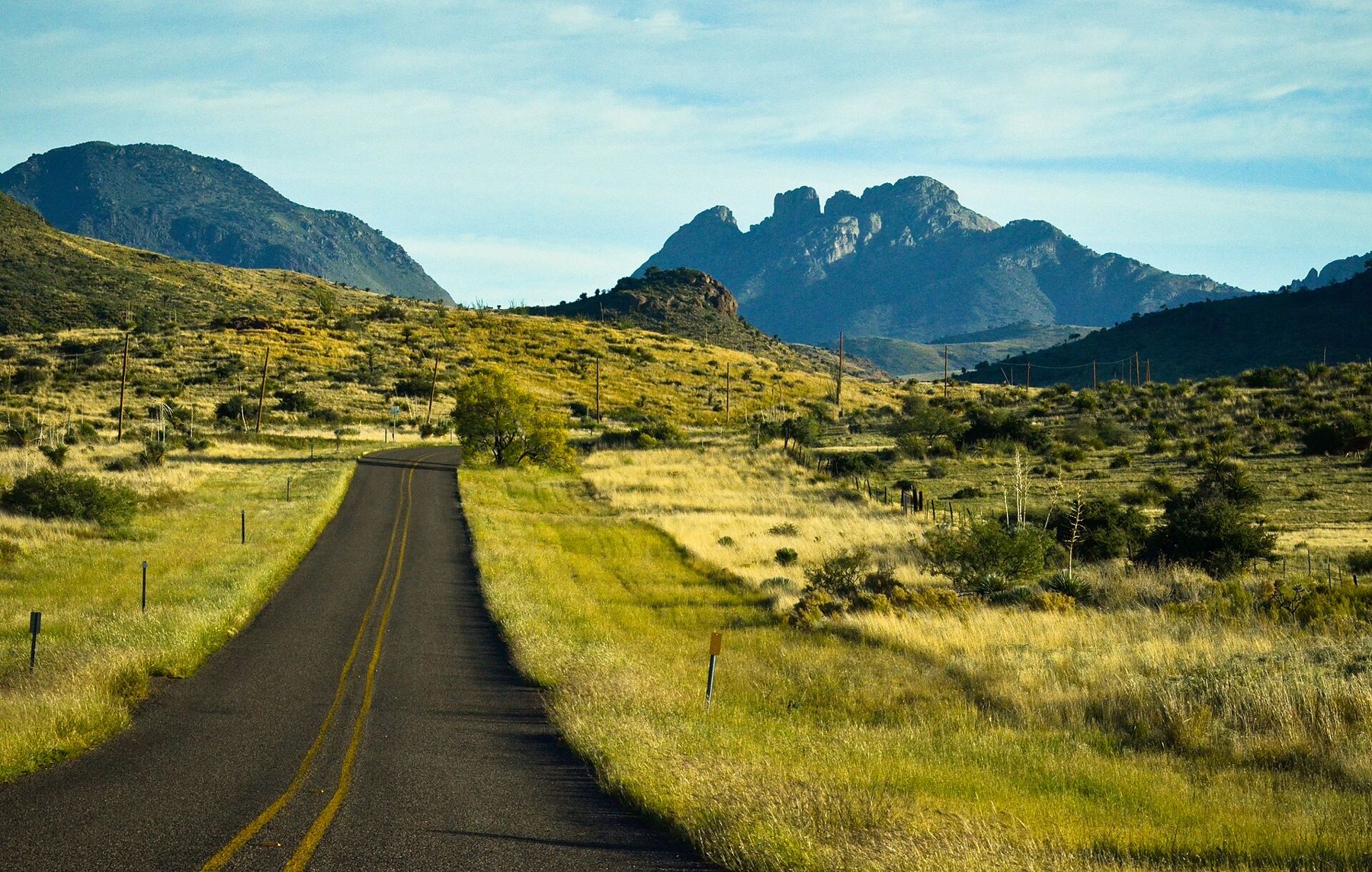
Much of the land along these highways is open range or lightly fenced ranch country. Cattle stand on the road, especially at night, and their dark coats are hard to see until you are close. Mule deer, pronghorn and javelina cross often around dusk and dawn. Our story on plants and animals of the Chihuahuan Desert introduces the animals you are most likely to meet.
The safest plan is to do most of your driving in daylight. If you must drive at night, slow down well below the limit on two-lane roads, use high beams when no one is coming, and watch the shoulders for the glint of eyes. Where one deer crosses, others often follow.
Checkpoints and signal
US Border Patrol operates checkpoints on some highways in the region. Every vehicle must stop. Agents will usually ask about citizenship, and the stop is often brief. Keep your identification with you and answer clearly; non-citizens should carry the documents that show their status. Build a few extra minutes into your travel time, as traffic can back up.
Phone signal is patchy. You may have good coverage on I-10 near towns, then lose it entirely on a back road or in the mountains. Download offline maps before you go, carry a paper map as a backup, and tell someone where you are heading and when you expect to arrive. On a long back-road day, a simple message at the last place with signal is worth sending.
Storms and low water crossings
Summer and early autumn bring thunderstorms that build over the mountains in the afternoon. They can be short and local, but they can also drop a great deal of rain on hard, dry ground that does not absorb it. Water runs off into washes and across roads in low places, and flash floods can arrive suddenly, sometimes under a clear sky if the rain fell upstream.
Many roads here dip through low water crossings rather than bridging the washes. If water is flowing across the road, do not drive into it. It is difficult to judge depth and speed, the road surface beneath may have washed out, and moving water can float a car. Turn around and wait; most flood water drains away within hours. Lightning is another reason to stay in the car during a storm rather than standing in the open.
Reading the road
Above all, give yourself time. Distances on the map look short, but a drive that should take an hour can stretch to two with a stop for photographs, a slow truck on a two-lane road, a checkpoint, or a storm. Out here, arriving late is a far smaller problem than arriving tired, low on fuel, or not at all. Drive with a full tank, a bit of patience and an eye on the sky, and the long roads of far West Texas are among the most rewarding anywhere.
Back to the on the road road · every distance from Van Horn · the crossroads